Maintaining your
Bluestone Installation
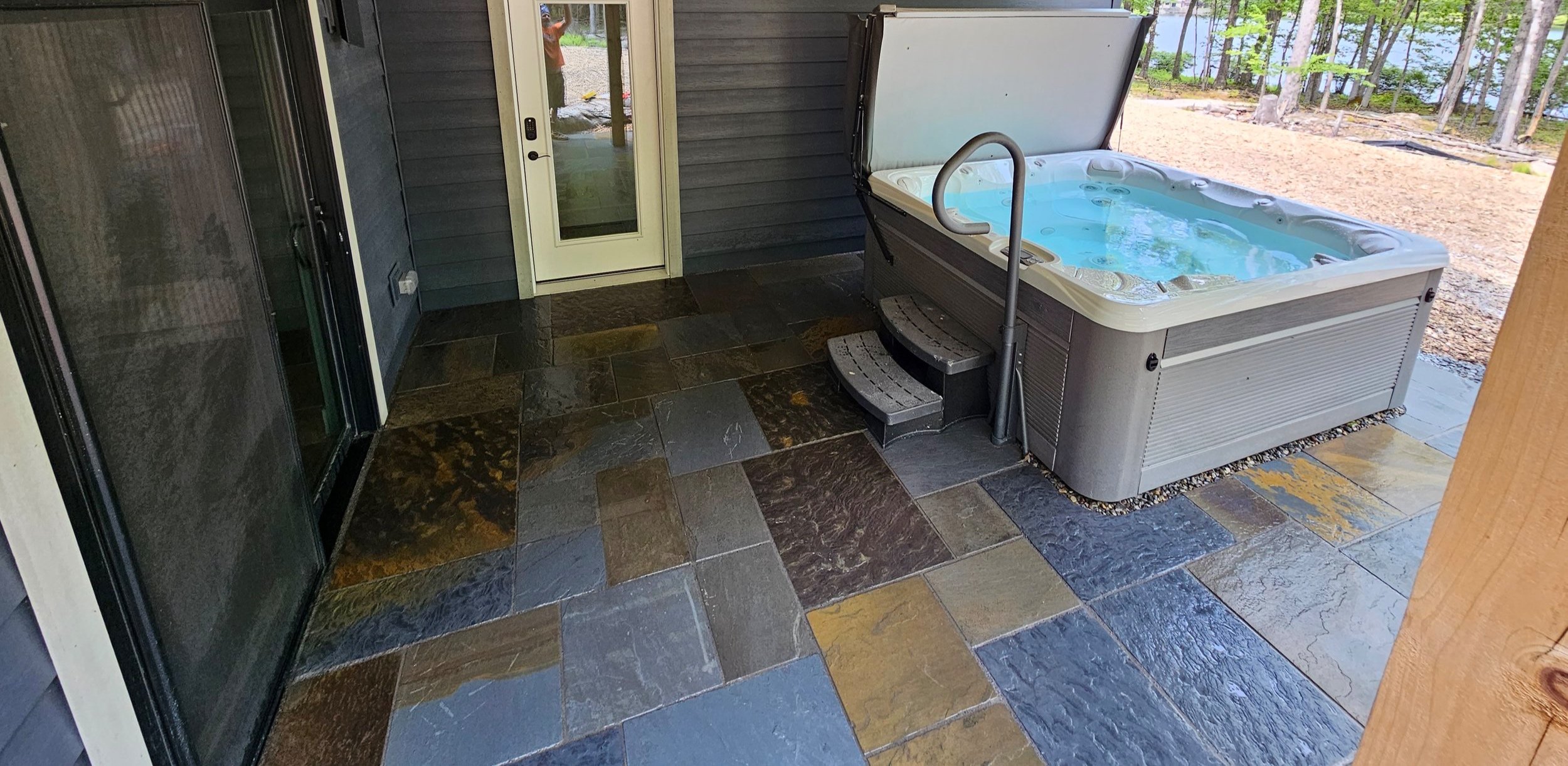
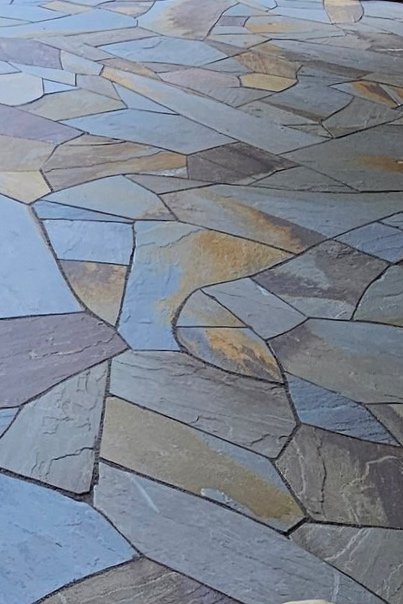
Maintaining a natural bluestone installation is all about preventing organic growth and managing the stone's natural porosity. Since bluestone is a dense sandstone, it’s incredibly durable, but it can be prone to staining and "spalling" (flaking) if not cared for correctly.
Here is how to keep your hardscape looking sharp for the long haul:
1. Regular Cleaning Routine
The biggest threat to bluestone in Pennsylvania's climate is the accumulation
of organic debris like leaves, pine needles, and dirt, which can lead to mold or
tannin stains.
Sweep Frequently: Use a stiff-bristle broom to remove debris before it
gets wet and "bleeds" into the stone.
Gentle Washing: For general cleaning, use a bucket of warm water mixed
with a pH-neutral stone cleaner or a mild dish soap. Scrub with a natural fiber brush.
Rinse Well: Always rinse thoroughly with a garden hose to ensure no soap film remains, as this can attract more dirt.
2. Dealing with Stains and Growth
Because bluestone is often used in shaded or damp areas, you may encounter moss, algae, or stubborn stains.
Organic Growth: For moss or mildew, use a solution of 1 part bleach to 10 parts water. Apply it, let it sit for 10 minutes (don't let it dry), scrub, and rinse.
Grease/Oil: If you have a grill nearby, use a specialized degreaser or a poultice specifically designed for natural stone to pull the oil out of the pores.
Pressure Washing Caution: Be very careful with power washers. High pressure can etch the surface of the stone or blow out the sand/polymeric joints. Keep the nozzle at least 12 inches away and use a wide-angle fan tip.
3. The Sealing Debate
Deciding whether or not to seal bluestone is a matter of
preference, but for professional-grade longevity, it's often
recommended. In cases of heavy tree cover, or a roof over the installation, we usually recommend against using sealer as these areas will need more frequent cleaning which could degrade the sealer.
Penetrating Sealers: These soak into the stone and protect it from within without changing the look or making it slippery. This is ideal for "natural" finishes.
Color Enhancers: These provide a "wet look" that makes the deep blues and greys pop.
Wait Period: If the installation is brand new, wait at least 60 to 90 days before sealing to allow any efflorescence (natural salt deposits) to work its way out of the stone.
4. Joint Maintenance
The material between the stones is just as important as the stone itself.
Polymeric Sand: If your joints are filled with polymeric sand, check for cracks or washouts once a year. Keeping these joints full prevents weeds from taking root and keeps the stones from shifting. In some cases, small failures in the polymeric sand can be repaired.
Winter Care: Avoid using rock salt (sodium chloride) for de-icing, as it can cause the stone to flake or spall. Instead, use calcium magnesium acetate (CMA) or simple sand for traction.